

Have you ever wanted to try something creative but felt unsure where to begin? Pottery offers a practical way to explore your artistic side without needing to know how to draw, paint, or design. Working with clay allows you to experiment with shapes, textures, and techniques while learning through your hands.
The benefits of pottery extend beyond creating decorative objects. The process can encourage focused attention, offer opportunities for self-expression, and help you develop practical skills at your own pace. Whether you want a new hobby, a break from your usual routine, or an activity you can share with others, pottery offers several ways to get involved.
Why Pottery Appeals to People Seeking a Creative Outlet
Pottery turns an idea into something you can physically shape, change, and eventually finish. Unlike hobbies that rely primarily on screens, working with clay involves direct contact with a material that responds to your movements. A small adjustment in pressure can change a curve, soften an edge, or alter the shape of a bowl.
There are different ways to approach the craft, depending on what interests you, including handbuilding and wheel throwing:
Handbuilding: Shape clay directly using your hands and suitable tools.
Wheel throwing: Centre and shape clay on a rotating pottery wheel.
Decorating: Experiment with surface textures, patterns, and colours using techniques appropriate for the piece.
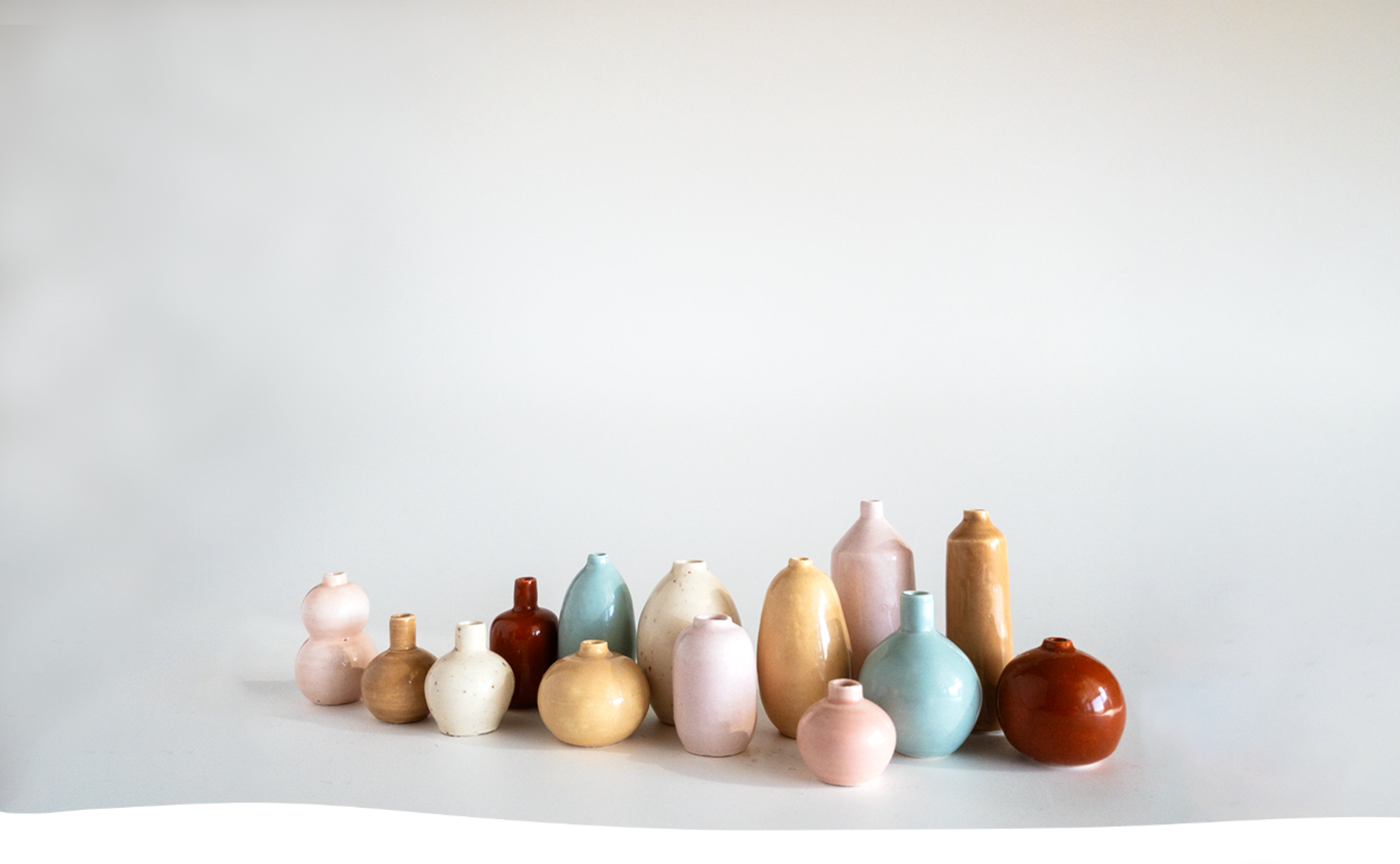
You might begin with a simple pinch bowl, experiment with a miniature vase, or explore the design of a handmade mug. Each approach offers different creative possibilities.
Pottery also allows you to decide what success means to you. Your first piece does not need perfectly even walls or a professional finish. Sometimes, the enjoyment comes from experimenting, noticing what works, and discovering what you would like to try next.
How Does Pottery Compare With Other Creative Hobbies?
Different creative hobbies offer different ways to explore ideas, develop skills, and make something personal. Pottery stands out because it combines hands-on work with a finished object you can use or display.
Creative Hobby | What You Can Explore | What You Can Create |
Pottery | Clay shaping, texture, form and glazing | Mugs, bowls, small sculptures and decorative ceramics |
Painting | Colour, composition and brush techniques | Paintings, illustrations and decorative artwork |
Drawing | Lines, shading, proportion and observation | Sketches, portraits and illustrations |
Knitting or Crochet | Stitch patterns, colour combinations and texture | Scarves, clothing, accessories and home décor |
Jewellery Making | Bead arrangement, materials and design | Earrings, necklaces, bracelets and pendants |
Pottery can be especially appealing if you enjoy learning through hands-on experimentation. Each piece gives you an opportunity to make decisions about its shape, surface, colour and intended use.
Ready to Try Pottery for Yourself?
Discover what it’s like to work with clay, experiment with simple forms, and explore a new creative hobby. Mini Pottery Studio offers pottery experiences for beginners in North York, Toronto.
How Working With Clay Encourages Mindful Focus
Working with clay requires attention to what is happening in front of you. You notice its consistency, the pressure of your fingers, the movement of the material, and the way its shape changes as you work.
This makes pottery a potentially rewarding addition to your collection of mindful activities. Instead of dividing your attention between several tasks, you can concentrate on one practical process. The experience may feel absorbing or calming, although beginners can also find unfamiliar techniques challenging at first.
Consider making a small pinch bowl. Press too firmly, and the walls may become thin or uneven. Move too quickly, and the rim might lose its shape. Slowing down to check the thickness and adjust your movements encourages you to pay attention to the task itself.
Pottery does not need to be treated as a formal mindfulness practice to offer this kind of focused engagement. It can simply be time spent making something with your hands, observing the results, and responding to the material.
The important distinction is that the experience varies from person to person. Some people enjoy the quiet concentration of pottery, while others particularly appreciate the experimentation and challenge involved.
Pottery as a Way to Express Your Personality

Creative hobbies become especially interesting when they leave room for individual choices. Pottery offers plenty of opportunities to develop a personal style, even when you are working with a relatively simple form.
A bowl, for example, can be rounded and understated, slightly asymmetrical, or decorated with a distinctive texture. Surface treatments and glaze choices can introduce further variation, depending on the clay, technique, and finishing process.
Three elements can influence the character of a handmade piece:
Form: The height, proportions, curves, and overall silhouette.
Texture: A smooth surface, visible hand-shaped details, or a deliberately patterned finish.
Colour and decoration: Glazes and decorative techniques selected to complement the form.
Imagine two people making matcha bowls. One prefers a simple shape with a restrained finish, while the other experiments with an expressive silhouette. Both can create something meaningful without following the same aesthetic.
If you enjoy the idea of making an object that reflects your preferences, a mug-making workshop is another experience worth exploring. Shaping and decorating a ceramic mug gives you an opportunity to make individual design decisions while learning through a guided activity.
The finished appearance will depend on the construction, drying, firing, and glazing stages. Results can vary, which is part of working with a material that changes throughout the process.
Learning Patience, Problem-Solving and Practical Skills
Pottery involves more than shaping clay into an attractive form. It also teaches you to observe, adjust, and work through practical challenges.
Clay responds to its moisture content, the pressure applied to it, and the way different parts of a piece are joined. A shape that looks stable at first may become difficult to maintain if its walls are uneven or the material becomes too soft to support itself.
The learning process involves several connected stages:
Shape the clay. Practise controlling pressure, building walls, and creating the intended form.
Observe and adjust. Check the thickness, stability, and joins. Make corrections while the clay is still workable.
Prepare the piece for finishing. Allow it to dry appropriately before the required firing and glazing stages.
These stages take different amounts of time. A workshop is only one part of the complete pottery-making process; drying, firing, and finishing may happen separately.
Not every piece will turn out as expected. A wall might collapse, a rim may become uneven, or a finished glaze may look different from what you imagined. Understanding why these things happen helps you make more informed decisions next time.
For anyone who wants to develop their skills beyond an introductory experience, Open Studio sessions are worth exploring. Check the current listing for access requirements and the activities available.
The Satisfaction of Making Something by Hand
There is a particular appeal in turning an initial idea into an object that you can see and hold. Even a small ceramic piece represents a series of decisions: how to shape it, where to adjust the form, and which details to keep or change.
That tangible result can make pottery a satisfying hobby. Rather than finishing an activity with only a memory of the process, you may eventually have a piece to display, gift, or use for its intended purpose.
For instance, a handmade cup might become a favourite desk accessory or a meaningful gift. Its appeal may come from a slightly irregular rim, a distinctive surface, or the knowledge that you shaped it yourself.
However, the result is not always immediate. Ceramic pieces generally need appropriate drying and firing, and some projects involve glazing or additional finishing. A workshop’s specific arrangements determine when a piece is ready and whether it can be used functionally.
The value of making something by hand does not depend entirely on the finished object being flawless. The process itself can reveal what you enjoy, what you have learned, and which techniques you might want to explore further.
Make Something That’s Uniquely Yours
From a handmade mug to a carefully shaped bowl, pottery gives you the chance to explore form, texture and decoration while creating something of your own. Choose a hands-on pottery experience.
Pottery as a Shared Creative Experience
Pottery can be enjoyed alone, but it also creates opportunities to spend time with other people while doing something practical and creative.
In a shared workshop, participants can learn alongside one another, exchange ideas, and see how different people approach the same material. One person might prefer a straightforward bowl, while another experiments with texture or an unusual shape. These differences can inspire new ideas without turning the activity into a competition.
For couples and friends, a pottery session offers a shared activity with a tangible creative focus. Rather than simply talking over a meal or watching a film, you can learn a technique, experiment with clay, and enjoy the experience of making something together.
Mini Pottery Studio in North York offers a local option for people interested in exploring pottery in Toronto. Its workshops provide an opportunity to experience hands-on creativity while discovering which forms of pottery appeal to you.
Group activities are not the only way to enjoy the craft, though. Some people prefer the concentration of independent making, while others value the social atmosphere of a shared studio. Both approaches can be part of a rewarding creative routine.
How to Start Pottery as a Beginner
You do not need to purchase a pottery wheel or build a home studio before finding out whether you enjoy working with clay. A guided introductory experience is a practical place to start. Reading what to expect at your first pottery class can also help you understand the experience before booking.
Three steps can help you choose your first experience:
Choose a technique. Consider whether you would prefer shaping clay by hand or learning to work on a pottery wheel.
Try a guided session. A beginner pottery class can help you understand the basic process and explore the craft before investing in equipment.
Decide what comes next. After your first experience, consider whether you would enjoy occasional workshops or more regular practice.
Before booking, check the current class listing for the techniques covered, materials provided, pricing, and arrangements for drying, firing, and collecting finished pieces. These details can differ between experiences.
Which Pottery Experience Should a Beginner Try?
You don’t need previous pottery experience to explore clay. The right starting point depends on what you would most enjoy making and which techniques you want to try.
Pottery Experience | A Good Fit If You Want To… | What You Can Explore |
|---|---|---|
Get an introduction to pottery | Basic techniques, tools and working with clay | |
Shape clay without relying on a pottery wheel | Pinching, coiling, slab building and surface details | |
Create a practical ceramic object | Forming a mug, shaping a handle and decorating its surface | |
Explore the form of a traditional-style bowl | Bowl shaping, proportions and surface finishes | |
Make smaller decorative pieces | Small-scale forms, textures and personal design choices |
Before choosing a session, check the workshop description for details about the techniques covered, materials provided, firing, glazing and collection of finished pieces.
If you’re new to pottery, a beginner pottery class is a useful place to start.
Frequently Asked Questions
Is pottery a good hobby for beginners?
Yes. Beginners can start with simple handbuilding projects or a guided wheel-throwing session. Choose an experience that matches your interests and provides appropriate instruction. You can learn the basic techniques before deciding whether to pursue pottery more regularly.
Can pottery help you relax?
Some people find pottery calming because it involves tactile activity and sustained attention. Others initially find learning a new technique challenging. Your experience will depend on your preferences, the project, and how comfortable you become with the process.
What skills can you develop through pottery?
Pottery provides opportunities to practise shaping, controlling pressure, observing proportions, joining clay, and making design decisions. With experience, you can also become more familiar with drying, glazing, firing, and the practical considerations involved in producing ceramic objects.
Do you need to buy equipment before trying pottery?
Not necessarily. A guided class may provide the tools and materials required for the activity. Check the individual workshop listing to confirm what is included. Trying pottery first can help you understand the techniques and equipment you might want if you continue the hobby.
Give Pottery a Try
Pottery brings together creative experimentation, focused activity, practical learning, and the satisfaction of making something by hand. You do not need to produce perfect pieces to enjoy the process; curiosity and a willingness to learn are enough to begin exploring the craft.
If you would like to experience pottery for yourself, Mini Pottery Studio offers a starting point in North York, Toronto. Explore the available pottery classes and workshops to find an introductory experience that suits your interests.
Your Next Creative Chapter Starts With Clay
You don’t need to be an experienced artist to begin. Choose a pottery session that interests you, learn at your own pace, and discover what you can make with your hands. Find a workshop that suits you.